
Black Reads: Issue 037
Exploring the endless possibilities with the curation of these "Black Reads" newsletters, one submission at a time. Mariel Lavette was in her bag with this one...


The Atlanta-fication of Southern Gastronomy

Written by Mariel Lavette
Gastronomy is the art and science of good eating, and the South’s was once known for its homestyle cooking and southern hospitality that enveloped every patron with a warm sense of love and care, staving off hunger and replacing it with an almost unwavering fullness that kept for what felt like eternities. Today, that is far from the truth, with Atlanta being the main culprit as to why.
Atlanta is a city that started as a safe haven for Black people in Georgia and has now grown into the Black Mecca of America and more importantly, the voice of the South. With its historical significance as being one of the major hubs where Black leaders formulated plans for the Civil Rights Movement and its later rise as a major cultural influence in the entertainment industry, Atlanta has become the South’s most notable city, and it is where its reputation and representation resides. Smaller cities in the South look to Atlanta for inspiration when it comes to staying on trend in everything from art to food, and it is under this direction, that the South is suffering. But how?
Since the 90s, Atlanta’s claim to fame has been its status as the entertainment capital of the South, and with that comes a need for nightlife. Wealthy entertainers and ballers with similar cash flow both needed places to enjoy the night while spending exorbitant amounts of money. Entrepreneurs saw the financial potential and began opening up nightclubs and venues that became wildly successful and immortalized in songs. Now you may ask, “What does this have to do with restaurants?”
Restaurants have an extremely high failure rate, with most not making it past the first 2 years. Profitably is extremely hard to reach; nightclubs on the other hand, don’t always suffer the same fate, and in the 2010s, restauranteurs and entrepreneurs alike began to notice.
The business model of a nightclub is somewhat different from that of a restaurant’s, with nightclubs dramatically inflating prices to inflate the egos of said ballers and restaurants focusing solely on hospitality and the quality of food to ensure patrons come back. Nightclubs can overcharge in the name of creating an atmosphere and aesthetic that allows the customer to live their wildest dreams, if but for only one night. People are desperate to escape from reality, and nightclubs sell fantasy, giving them the perfect conditions to make profit quickly and consistently. This is where the problem enters.
Restauranteurs are entrepreneurs, and no matter the case, the goal is to make money. So what did they do? Change the model. Once they realized they could sell an aesthetic and vibe, they stopped focusing on what was originally important: good service and good food. In doing so, the restaurant scene in Atlanta has become the subject of social media satire.
The entire country now understands Atlanta to be the place where you go to eat overpriced, subpar food with grass walls and DJs who play Tevin Campbell at maximum volume. Service is lackluster, and 20% gratuity is added to every check, no matter the party size. Even notable food critics like Keith Lee have taken note of this and unsuccessfully tried to disprove the rumors.
It is sad that this is what has become of the food scene and even sadder that this culture has permeated throughout the Southern region. Even in places like Montgomery, AL, this style of dining has begun making its entrance into the food scene. Why?
The simple answer: capitalism. Black Southerners have always been known for making do with what little was given. Historically, they have always been the poorest demographic with progress no where in sight. This class immobilization may have been hard, but it did have one positive: it forced them to rely on one another for community, and it is this reliance that created the family environment that birthed Southern hospitality and food. In relatively recent times, however, Black people have been given more opportunities to uplift themselves, and one of those opportunities is ownership.
Being an entrepreneur or restauranteur is a great form of upward mobility, but it is important to the culture that we not lose what made owning a restaurant so great. Food builds community and connection, and shifting the focus away from that onto financial gain and fantasy does harm to the culture and its people. If there is only focus on selling fantasy, our reality becomes harsh and cold. No longer are others viewed as family, but as a means to an end. The culture then becomes bastardized into ideas of what people think Southern hospitality is, rather than its reality. This makes a mockery out of everyone involved. So, what can be done?
It is important that the core values of Southern gastronomy be maintained; those values being delicious food, great service, and community. Aesthetics can still be an aspect in the culture, but that should not be the sole item sold. A healthy balance of all should be incorporated into the business model, ensuring that a sense of self and identity is maintained.
Evolution is a beautiful thing, and as Southern gastronomy evolves, new cultures and aspects of dining are added to improve the experience. However, it is imperative that the same love and care that those born from it received, is given back to it.
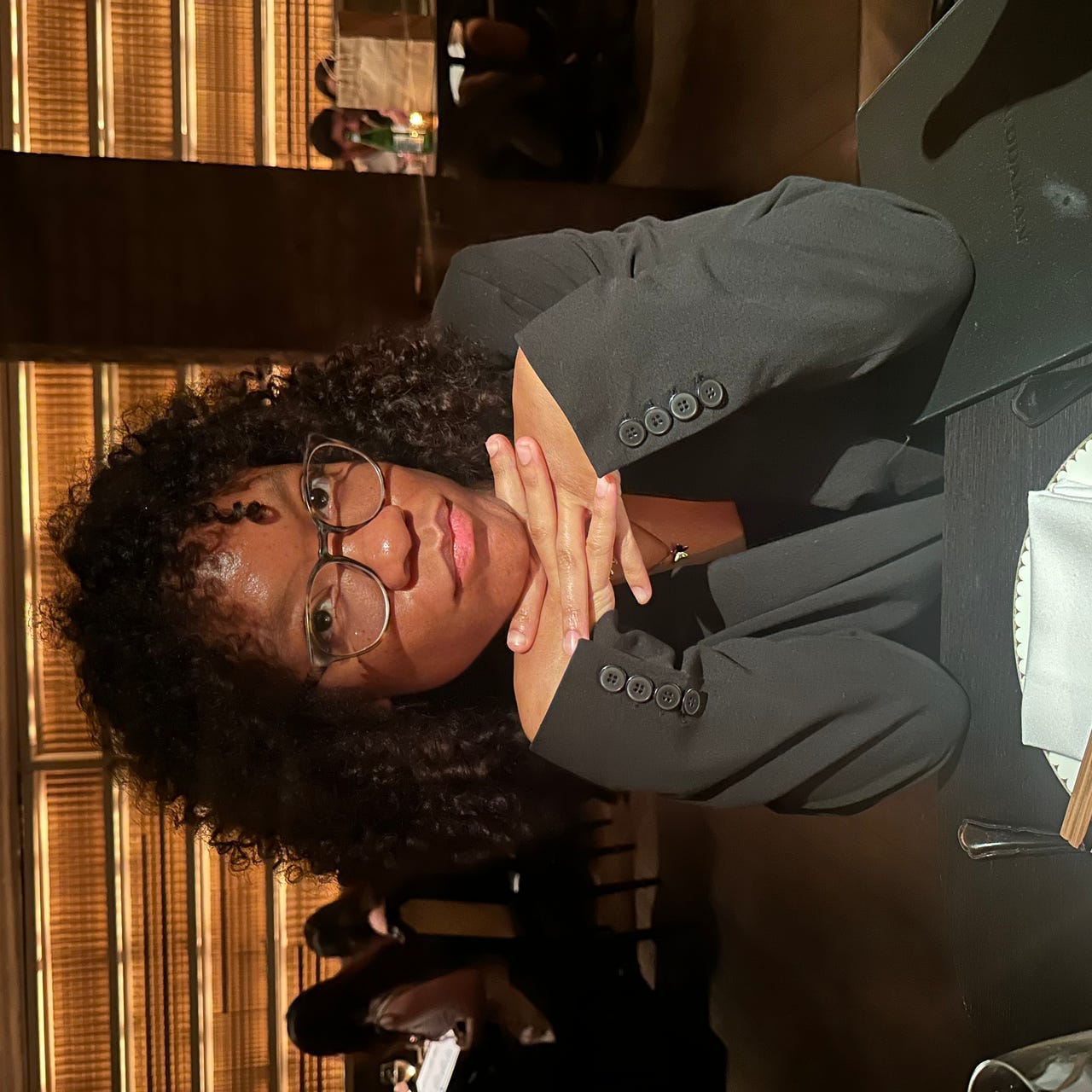
Check out more of Mariel Lavette’s work that was recently published by our friends at Every Nigga Deserves on the importance of the library. To add my two cents on the subject, the Black Panther Party used the West Oakland Public Library as a third space to organize. The time is now, my nigga.

New book alert, I’ve had the pleasure of reading Nicole Carr’s book, The Price of Exclusion, and everyone needs this one on their bookshelves. If you are in one of the cities on her book tour, pull up! You’ll see me at the Oakland stops!

 | A guest post by
|