
An Absence Granddaddy
Storytelling is so important in Black culture because it reveals all the truths about who we are, and who we come from. Often times, the closest stories share insights that help us heal ourselves.


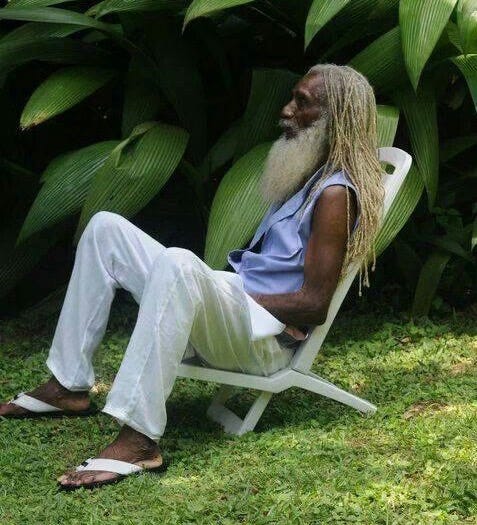
The truth is, a Black man’s presence in the household does have a lasting impact. And there is no objection to the kind of impact that is left when it comes to naming the character of said Black man. When we listen to the stories of our parents and their parents sometimes we find the root cause of our family’s effect placed at the feet of the grandfather.
His absent or presence, involvement or lack there of, played a pivotal impact on the upbringing of our parents, and even us. I think about my paternal and maternal grandfathers and the impact they both left of me. One more positive, the other leaving me to ask the same question as Bria, “What do I call him?”
We know how the daddy issues show up in our relationships, but have you considered there might have some granddaddy issues to unpack too?
I Think I Have Granddaddy Issues
Written by Bria Sowell
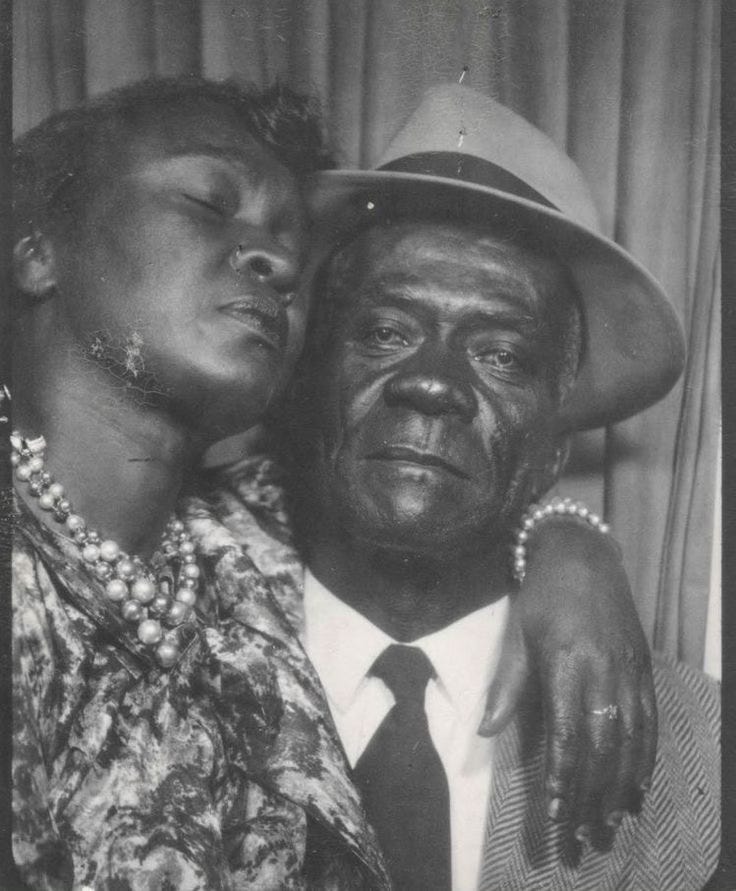
My friend said it wasn’t so bad.
You can’t miss what you ain’t had
Well I can
I’m sad

-Frank Ocean, “There Will Be Tears”
I did not know my paternal grandfather. The first time I met him, I was probably a pre-teen. As he approached me, I panicked and quickly turned to whisper to my father, “Dad, what do I call him?”
We were outside my grandmother’s ranch style home in central Florida. She was hosting one of her BBQs, parked cars spilling onto the front lawn and down both ends of the street, cousins rubbing their hands in anticipation of Grandma’s cornbread. The sun was high and it was hot. My father and I were outside watching my cousins throw the football back and forth when my grandfather and his wife pulled up.
My father looked straight ahead, eyebrows furrowed, mouth tight, body stiff. He was angry, but composed, as he wrestled with my question.
“You can call him whatever you want.”
Nervously, I replied, “Oh. Uh, it’s just that I didn’t know if I should call him grandpa.”
He looked down at me with both confusion and reassurance. “No, you don’t have to do that. You can call him Mr. Ken.”
“Mr. Ken? Ok. Mr. Ken,” I whispered to myself as I looked down at my fidgeting hands.
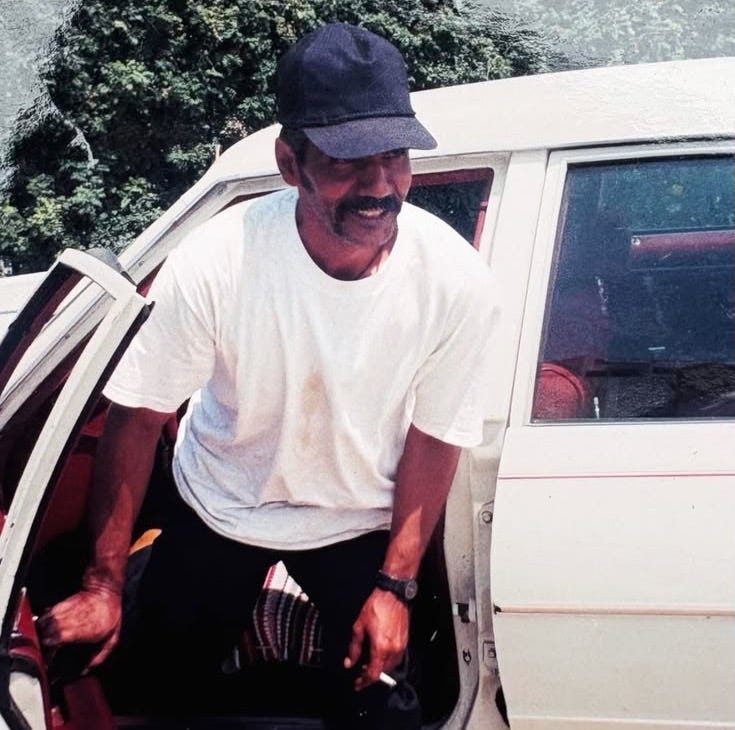
A sigh of relief washed over my body as my father gave me permission to not perform respectability politics. But I knew he was struggling. It was a tender and tragic moment as I was about to meet my grandfather for the first time at twelve or thirteen and my Dad had to face the fact that his father’s absence didn’t just affect him–it affected his daughter too.
“Hello,” Mr. Ken said as he walked up. I took his face in for the first time, examining the wrinkles in his dark chocolate skin, his translucent grayish eyes and his Frank Mitchell haircut.
“Hey, this is your granddaughter Bria,” my father said.
“Hello, it’s nice to meet you.” I didn’t know whether to offer a handshake or a hug.
I think my grandfather reached for a hug. I don’t remember. But I remember his face was warm. He smiled a lot. I could feel he was happy to see me.
Mr. Ken examined my face, squeezed my biceps before letting go, and walked towards the house. I looked up at my Dad. Why is he even here? was written all over his face. He forced a smile as he grabbed my shoulder and looked away.
I turned to watch my grandfather step inside the house and thought, Maybe, now that he’s met me, we can have a relationship.
I haven’t seen or heard from Mr. Ken since.
My paternal grandfather remained a stranger. However, my maternal grandfather was not.
Well, at least, not at first.
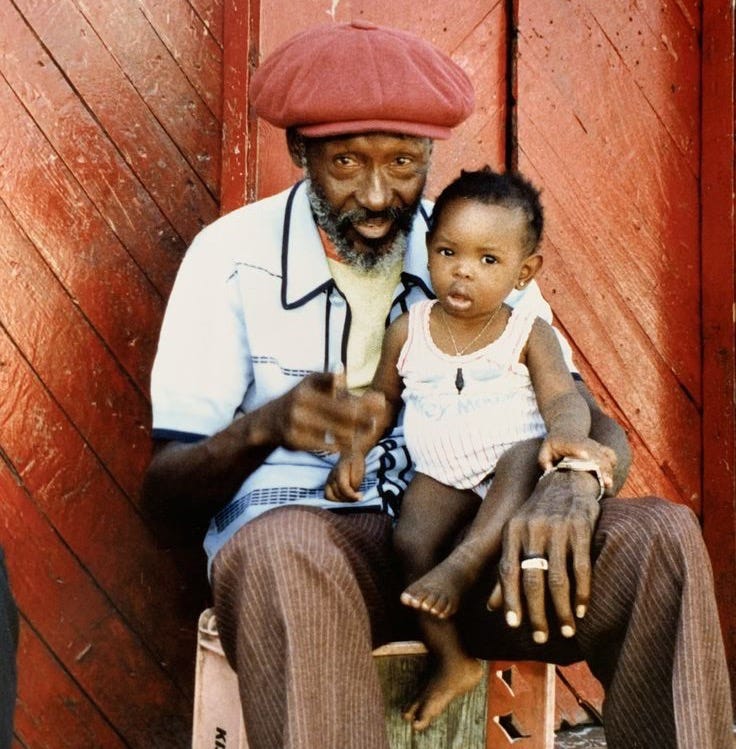
They tell me the first time I met my maternal grandfather, I was inconsolable. My aunt brought me over to my grandparents’ home for the first time one weekend, and I woke up not knowing where I was. She wasn’t in the bed next to me. She had stepped out of the room for a minute, hoping to brush her teeth and wash her face before I woke up.
Surrounded by pillows in a strange room, I woke and began to bawl. My grandmother came in to pick me up. Still, I sobbed. Then my grandfather walked in and stretched his arms out towards me. I reached for him immediately–his chocolate skin probably reminding me of my father’s–and the screaming stopped. I melted into him, and he melted into me.
Every week after that, he would ask my aunt, “When you getting Bria again?”
The first memory I actually have of my maternal grandfather is accompanying him to a woman’s home. I didn’t know who she was, still don’t. But I can guess.
He would leave me downstairs to play with her daughter while he went upstairs. I never thought about what they might be doing until about ten years ago, when it came out that my grandfather had a two-year-old daughter at the age of 60. He was still married to and living with my grandmother. Still is.
My grandfather called each of his children to inform them and apologize, but he never called me. With my father not living in my home, my grandfather had been a father figure in ways my Dad was unable to be, simply because he lived in another state. Yet, I never heard from my grandfather’s lips what happened or received an apology. But when everything came out, it was me my grandfather called upon to mediate between him and my grandmother in the middle of a loud, very public diner. I learned then: I wasn’t allowed to feel hurt, anger, and pain. I was to remain a good and obedient granddaughter, neutral–the same way I felt meeting Mr. Ken for the first time.
Instead of where you beens, my lips formed it’s nice to meet yous.
Instead of you broke my hearts, my lips formed so where do we go from heres.
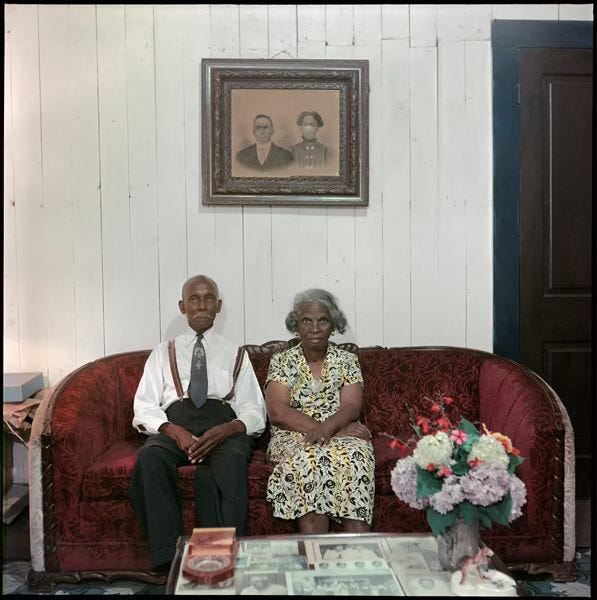
By grad school, I swore off Jamaican men–refused to deal with, let alone marry one, and I meant it. They were known to gallivant the streets, lie and cheat, but that’s not even what did it for me. For years, I had a front row seat to how their decisions eroded my family, leaving broken people in their wake. They were supposed to lead us. They were supposed to teach us self-respect, worth, and value–not just in word, but in action. They were supposed to protect us. Instead, they chose themselves every time.
But even now, with a non-Jamaican husband, I struggle with the thought that he may leave or cheat. I look to him for validation I should really find within myself. I emotionally monitor him, constantly seeking reassurance. It’s exhausting for us both.
Nevertheless, God continues to carry us, and we continue to show up for one another, something I grieve not being able to point back to in my own family.
No one talks about what it does to you when your grandfathers had the chance to be there and chose not to be. Or were there — but weren’t really. How it shatters your heart, causes you to doubt yourself, and leaves you fundamentally exposed to dysfunction. I’ve learned how absence takes multiple forms, and physical presence doesn’t protect you either.
I expected more.
I needed more. Not just for me, but for my mother and father as well. If you cut either of them, I am sure all the pain their fathers caused would profusely bleed. They don’t talk about it much–maybe due to respect, or privacy, or because it’s just too dang painful.
But as much as I love my grandfathers, I now realize that in order for our bloodlines to heal and grow, I can’t walk around holding their absences in my body–poisoning me from within–anymore. They made their choices with the best they had but they caused me loss in ways I’m not sure they’ll ever know. And now, it is ok to do and want better.
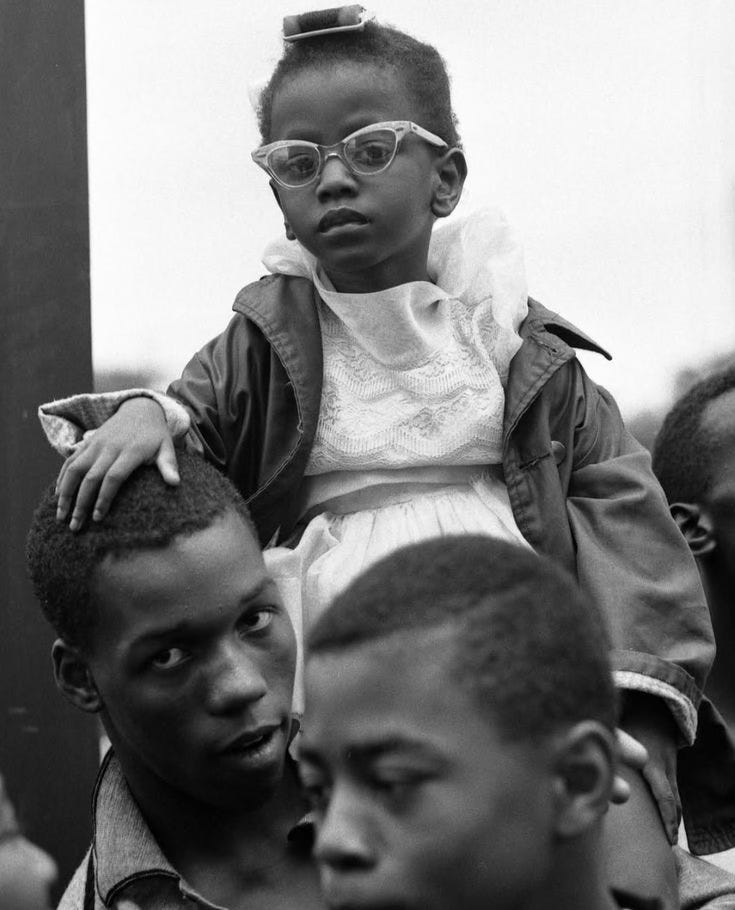
For my parents. For me. For my future children.
Signed,
A Girl with Granddaddy Issues

Editor’s Note: All images in this post were sourced from Pinterest.
 | A guest post by
|
Honestly, I almost forgot I wrote this but am so moved by reading my own raw emotion all over again. It brought me to tears reading this because Im learning the hard way that it’s SO important for us to look back in order to move forward—not in a way that we use it as a crutch but in a way that allows us to learn more about ourselves and why we act and speak the way we do and why we behave and interact in certain ways based on who and where we come from. Praying you all find as much solace and courage in the piece as I found writing it. Thank you so much for believing in and publishing the piece Jacquie!
Reading this as my half Jamaican baby sleeps on my chest lol but I second your grad school swear off. :)
On a serious note, thank you for this piece. My maternal grandfather died years before I was born, and although my paternal grandfather was in my life occasionally, due to living in different cities, we never formed a real relationship. I've never thought about the impact of that but now you've given me something to think about.